
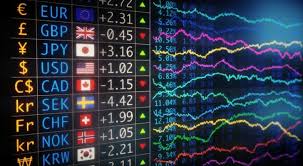
Welcome to the world of Forex exchange trading, where the global economy’s heartbeat can be felt every second of the trading day. For novice and seasoned traders alike, forex exchange trading trading-terminal.com serves as an essential hub for insights, tools, and resources. Regardless of your experience level, understanding the intricacies of Forex can open doors to unprecedented financial opportunities. In this article, we’ll uncover essential strategies, tools, and tips that can help you navigate the thrilling yet complex landscape of currency exchange.
What is Forex Exchange Trading?
Forex exchange trading, or foreign exchange trading, involves buying and selling currencies in the global marketplace. The aim is to profit from the fluctuations in currency prices caused by various economic factors, including interest rates, economic indicators, and geopolitical events. The Forex market is one of the largest and most liquid financial markets in the world, with an average daily trading volume exceeding $6 trillion.
The Basics of Currency Pairs
Currencies are traded in pairs, such as EUR/USD (Euro/US Dollar) or GBP/JPY (British Pound/Japanese Yen). When you trade one currency pair, you’re essentially betting on the value of one currency relative to another. If you believe that the first currency in the pair will appreciate against the second, you would buy the pair. Conversely, if you think it will depreciate, you would sell it.
Major, Minor, and Exotic Pairs
Currencies are categorized into three main types of pairs:
- Major Pairs: These involve the most traded currencies, including USD, EUR, JPY, and GBP. They usually have the highest liquidity and lower spreads.
- Minor Pairs: These involve currencies that are less commonly traded. While they can offer lucrative opportunities, they often come with higher risks due to lower liquidity.
- Exotic Pairs: These pairs consist of one major currency and one from an emerging or smaller economy. Trading exotic pairs can yield high rewards but comes with increased volatility and wider spreads.
Understanding Market Analysis
To make informed trading decisions, traders employ various methods of market analysis:
1. Fundamental Analysis
This method involves analyzing economic indicators, political events, and other qualitative factors that can influence currency prices. Key indicators include GDP growth rates, employment statistics, and inflation rates. Staying updated on news releases and economic reports is vital for a successful Forex trader.
2. Technical Analysis
Technical analysis focuses on historical price data and market trends, utilizing charts and technical indicators to predict future price movements. Popular tools include moving averages, Fibonacci retracements, and oscillators like the Relative Strength Index (RSI). Learning to read price charts is crucial for spotting potential entry and exit points.
3. Sentiment Analysis
This approach gauges market sentiment to understand how traders feel about a particular currency pair. The analysis typically involves looking at positioning data to determine whether the market is bullish or bearish.
Creating a Trading Strategy
A well-thought-out trading strategy significantly impacts a trader’s success. Here are the essential elements to consider when developing your strategy:
1. Define Your Goals
Before diving into the markets, establish clear financial goals and risk tolerance. Are you looking for quick profits or long-term investments? Your approach to trading should align with your objectives.

2. Choose a Trading Style
The Forex trading landscape offers various styles, including day trading, swing trading, and scalping. Choose a style that fits your schedule, risk appetite, and personality. For instance, day traders make multiple trades within a day, while swing traders hold positions for several days or weeks.
3. Risk Management
Managing risk is crucial in Forex trading. Only allocate a small percentage of your trading capital—typically 1-2%—to a single trade. Utilize stop-loss orders to limit potential losses and set profit targets to ensure you exit profitable trades in a timely manner.
Choosing the Right Forex Broker
Your choice of broker can significantly influence your trading experience. Here are key factors to consider:
- Regulation: Ensure that the broker is regulated by a reputable authority, such as the Financial Conduct Authority (FCA) or the Commodity Futures Trading Commission (CFTC).
- Trading Platform: Select a broker that offers a user-friendly and robust trading platform with access to analytical tools and real-time market data.
- Fees and Spreads: Compare the spreads and fees charged by various brokers to find one that offers competitive rates.
- Customer Support: Choose a broker with reliable customer service to assist you with any issues or inquiries.
Staying Updated and Continuous Learning
The Forex market is constantly evolving. To succeed, traders must stay informed about market trends, news, and changes in economic policies. Regularly review your trading strategies and learn from your experiences. Engaging with Forex communities, webinars, and online courses can also help enhance your understanding and skills.
Conclusion
Forex exchange trading presents an exciting opportunity for financial growth, but it requires knowledge, careful planning, and discipline. By mastering the basics, employing sound trading strategies, and continuously seeking education, you can navigate this dynamic market effectively. Always remember, successful trading is not about winning every trade but rather about managing risks and developing a consistent approach to making intelligent decisions in the Forex landscape. Happy trading!